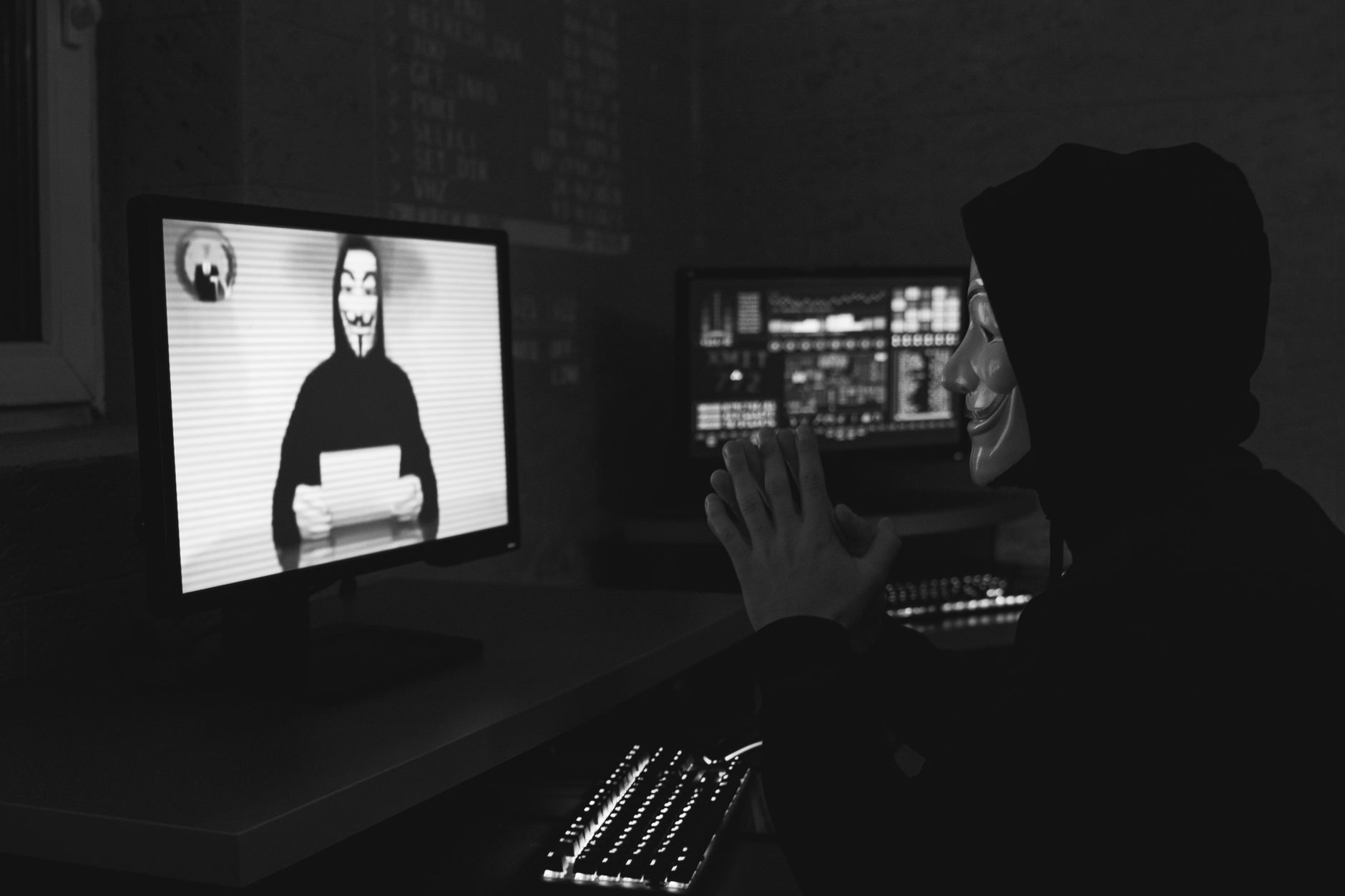
The FBI exposed FaceStealer: North Korean hackers stole over $400 million in crypto through fake video calls and deepfakes. How the attack works and how to defend.
The U.S. Federal Bureau of Investigation (FBI) and the Department of Justice (DOJ) have exposed one of the most sophisticated social engineering schemes of recent years. Over 18 months, hackers tied to North Korea (DPRK) stole more than $400 million in cryptocurrency using fake video calls and deepfakes. The campaign has been codenamed FaceStealer.
The FBI calls the scheme "highly effective" and capable of deceiving "even the most experienced technical and security conscious computer user." What makes it distinctive is that it exploits not a flaw in code but human trust in familiar faces on screen and in everyday video-call platforms.
What FaceStealer is and who is behind it
FaceStealer is a social engineering campaign that U.S. authorities attribute to North Korean state-sponsored hackers. In the private sector, the group is known by several names: Sapphire Sleet, UNC1069, BlueNoroff, Stardust Chollima, APT38, Dangerous Password, and CryptoCore.
The core goal is funding state programs. As FBI Cyber Branch Operations Director Brett Leatherman put it, the North Korean regime relies on proceeds from large-scale cryptocurrency theft to fund its illicit weapons program.
This cluster has historically specialized in stealing cryptocurrency from exchanges, funds, and individuals. FaceStealer is its newest and most refined iteration: instead of directly breaching systems, the attackers trick the victim into installing malware themselves.
How the attack works: a five-step chain
The FBI describes the attack lifecycle as a repeating sequence of steps:
- Compromise the first victim. The attackers harvest crypto wallets and seed phrases, hijack accounts in Telegram and other messaging apps, gain access to contacts and chat history, and secretly record the victim through the webcam.
- Hijack accounts. Using breached accounts of previous victims on Telegram, LinkedIn, Slack, and Discord, the hackers message their contacts while impersonating the victim.
- Invite to a fake call. A convincing link to a "video meeting" is sent.
- Fake video chat. Imposter versions of Zoom, Microsoft Teams, or Google Meet play pre-recorded videos of previous victims, creating the illusion that familiar people are on the call.
- A "technical glitch." A fake audio problem is introduced, and the victim is offered a link or instruction to "fix" it — which installs malware.
After infection, the attackers gain access to the victim's contacts, apps, and messages — and the cycle repeats with their acquaintances. A key detail: theft was often delayed for months or even more than a year after the initial infection, and communication accounts were held for long periods.

Deepfakes and generative AI as a weapon
According to the DOJ, the attackers also use AI to create deepfake videos of well-known figures in the crypto and web3 industries — making the scheme even more convincing.
According to Arctic Wolf, the group uses generative tools — including ChatGPT, Google (Gemini), Grok, and Wondershare AIGC — to produce artwork, avatars, and synthetic participant videos. Lure material is gathered not only from profile photos and prior victims' webcam recordings, but also from YouTube interviews and conference talks.
The FBI seized more than 900 webcam recordings of victims that the attackers used to impersonate familiar people in follow-on attacks.
From crypto theft to attacking open source
This year FaceStealer expanded from stealing crypto to attacking the software supply chain. According to the FBI, the hackers nearly compromised a major open-source JavaScript library downloaded tens of millions of times per week.
The scenario: a maintainer was lured into a fake Teams video chat showing several "participants," including at least one person he recognized. He was then told something was wrong with his system and followed the "corrective" steps — infecting his own computer. The attackers used his access to create malicious dependencies that would be downloaded alongside the legitimate library. Only quick detection of the compromise prevented a large-scale attack.
This is a significant shift: the crosshairs are now not only on crypto holders but also on developers who maintain popular open-source libraries.

Scale and geography of the campaign
According to Arctic Wolf, by April 2026 the campaign had reached more than 400 victims across more than 20 countries — mostly in the U.S., Singapore, the U.K., Hong Kong, South Korea, and the UAE. Around 80% of targets work directly in crypto/blockchain finance (54%) or adjacent finance and investment sectors (26%). CEOs and founders account for 45% of targets.
The scope later widened: 677 targets across 58 countries, with more than 80% of them founders and C-suite executives.
At the same time, the FBI and DOJ announced the seizure of FaceStealer's cloud infrastructure and the court-authorized seizure and restraint of more than $1.2 billion in cryptocurrency stolen from the Binance exchange by another North Korean group (TraderTraitor).
Why even experienced people fall for it
FBI Assistant Director in Charge Patrick Grandy of the Los Angeles Field Office described the core of the threat: "This is a highly effective social engineering scheme capable of deceiving even the most experienced technical and security conscious computer user. It exploits our trust in ubiquitous video conference platforms and valued personal relationships. If you can't imagine a scenario where you might fall prey to it, you are not thinking creatively enough."
The reason it works: the attack does not force the victim to click a suspicious link in a phishing email. It creates the illusion of a live conversation with real people the victim knows. When a familiar face is on screen and the invitation comes from a colleague's hijacked account, the usual phishing telltales never appear.
How to defend yourself
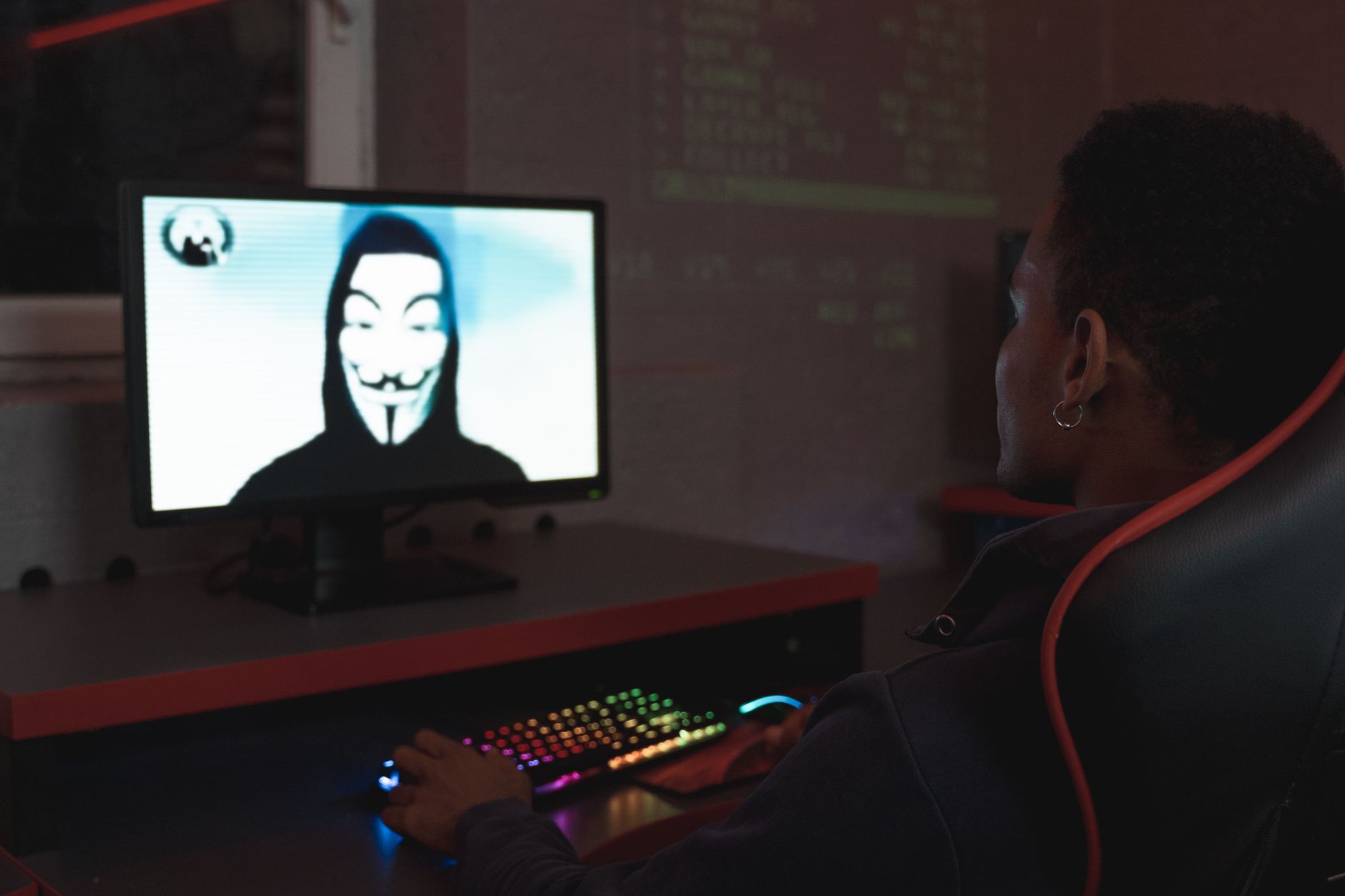
The FBI recommends one core rule: develop your own unique methods of verifying a contact's identity through separate, unconnected communication channels. If the initial contact happens on one platform (for example, Telegram), confirm it through an independent channel — by phone, another messenger, or in person.
- Check the domain of the video-meeting link — official Zoom, Teams, and Meet use specific, well-known domains.
- Never install an audio or video "fix" offered during a call.
- Developers: don't run downloaded files on a work laptop — use disposable virtual machines.
- Regularly check whether your credentials have leaked — for example, with our breach check tool.
Conclusion
FaceStealer is a vivid example of attackers moving from breaking code to breaking trust. Deepfakes, recordings of real people, and hijacked accounts make classic defenses insufficient.
For Ukrainian readers this is an important lesson: deepfake social engineering techniques are not limited to the crypto industry — similar tactics can be used against companies and organizations of any profile. It is worth adopting identity-verification rules through independent channels and raising team awareness now — for example, through cybersecurity courses or specialized industry events.